For years, workplace mental health has been treated as an individual problem. Feeling burned out? Take a vacation. Feeling anxious? Download a meditation app. Struggling with workload stress? Talk to your manager. But as stress, anxiety, and burnout continue to rise across industries, it’s becoming clear that traditional approaches are not enough. Employees are overwhelmed, managers are stretched thin, and mental health professionals are facing growing demand.
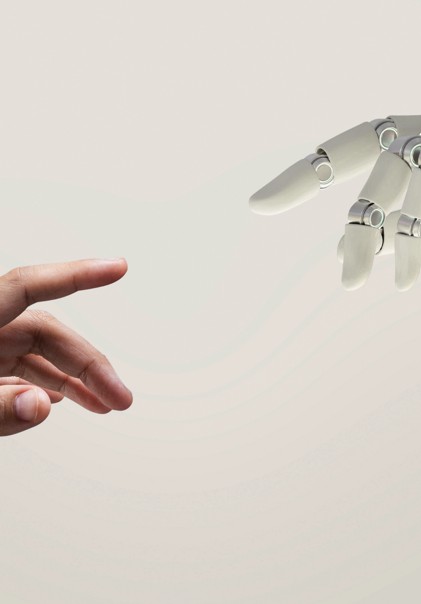
Artificial Intelligence (AI) is rapidly changing many aspects of our lives, from how we shop to how we write emails. Now it is beginning to reshape mental health care as well. In workplaces around the world, AI-powered tools are implemented to support employees to identify signs of burnout earlier, and receive personalized guidance that was once difficult to scale. The question is no longer whether AI will play a role in mental health care. The real question is how organizations can use it responsibly and effectively.
Walk into any office (or log into any virtual meeting), and chances are someone is struggling. They may not say it out loud. They may still meet deadlines and attend meetings. But beneath the surface, many employees are dealing with chronic stress, exhaustion, anxiety, or emotional fatigue. The challenge is that mental health issues often develop gradually. By the time managers notice a problem, employees may already be disengaged, exhausted, or considering leaving altogether. This is where AI has the potential to make a meaningful difference.
Spotting Problems Before They Become Crises
One of AI’s greatest strengths is pattern recognition. Unlike humans, AI can process large volumes of information and identify subtle signals that might otherwise go unnoticed. Imagine a company that regularly conducts employee pulse surveys. Individually, responses may seem insignificant. But when AI analyzes hundreds or thousands of responses, it may detect a growing trend of stress within a particular team or department. Perhaps employees are reporting lower energy levels. Maybe engagement scores are declining. Perhaps people are working longer hours and taking fewer breaks. These insights can help leaders intervene before burnout becomes widespread. Much like wearable devices can alert users to potential health issues before symptoms become severe, AI can help organizations recognize workplace risks and prevent their evolvement into mental health crises.
A Mental Health Coach in Your Pocket
For many employees, seeking help remains difficult. Some worry about stigma. Others cannot find time for therapy or coaching appointments. Many simply do not know where to start.
AI-powered mental health tools are helping bridge that gap. Consider an employee preparing for a high-stakes presentation. They feel anxious but are not experiencing a mental health emergency. An AI wellness assistant can guide them through breathing exercises, suggest stress-management techniques, or recommend short mindfulness practices tailored to their situation. Or imagine a remote employee who feels increasingly isolated after months of working from home. An AI tool might check in regularly, identify signs of emotional strain, and encourage them to connect with available support resources.
These interactions do not replace professional care. However, they provide immediate support at moments when traditional services may not be available. In many cases, that early intervention can prevent a small problem from becoming a larger one.
Personalization Changes the Game
One reason workplace wellness programs often struggle is that they take a one-size-fits-all approach. However, not everyone experiences mental stress in the same way: A new parent navigating sleepless nights has different challenges than a young professional experiencing career anxiety. An executive facing leadership pressure may need different support than a frontline employee dealing with customer demands.
AI excels at personalization. Instead of offering every employee the same wellness content, AI systems can recommend resources based on individual needs and behaviors: An employee struggling with sleep may receive guidance on sleep hygiene and recovery; a manager experiencing decision fatigue may receive resources focused on resilience and workload management. The result is support that feels more relevant, and therefore more likely to be used.
The Future Isn’t AI or Humans. It’s AI and Humans.
Despite all the excitement, we should be careful not to overstate what AI can do. An algorithm cannot replace empathy. It cannot fully understand grief, trauma, loss, or the complexities of human relationships. It cannot replicate the trust that develops between a therapist or a coach and a client over time. We should not aim for replacing counselors with chatbots, but for using AI to expand access, improve awareness, and connect employees with human support more efficiently. Think of AI as an early-warning system and a support layer, not a substitute for human care. Just as GPS did not eliminate drivers, AI will not eliminate mental health professionals. It will simply change how people find and receive support.
As AI becomes more deeply integrated into workplace wellness programs, organizations face an important responsibility: Employees must trust that their personal information is protected. Transparency, privacy safeguards, and ethical data practices are not optional. They are essential. If workers believe their emotional well-being data could be used against them in performance reviews or promotion decisions, adoption will quickly disappear. The organizations that succeed will be those that place employee trust at the center of their AI strategy.
The Road Ahead
We are still in the early stages of AI-powered mental health care, but the direction is clear: The workplace is shifting more and more from reactive support to proactive care. Instead of waiting for burnout, more and more companies are looking for ways to identify risks earlier. Instead of offering generic wellness initiatives, they are delivering more personalized support.
AI is making that possible. Yet the most important lesson may be this: technology works best when it helps people be more human. If AI can help managers recognize when employees are struggling, encourage workers to seek support sooner, and make mental health resources more accessible, then its greatest contribution may not be technological at all. It may simply be helping us build healthier workplaces – where people are seen, supported, and able to thrive.


Mental health is one of the defining challenges of our era.
Your workplace can be part of the problem, or part of the solution.
The decision is in your hands.
Social Media
Stay Connected
Menu
About me
Services
Blog
Legal
© Dr. Ilinca Serbanescu, 2026
LinkedIn
hello(at)ilincaserbanescu.com
Privacy
Disclaimer
Contact

